
The Benefits of Baggage Scanners for Your Business

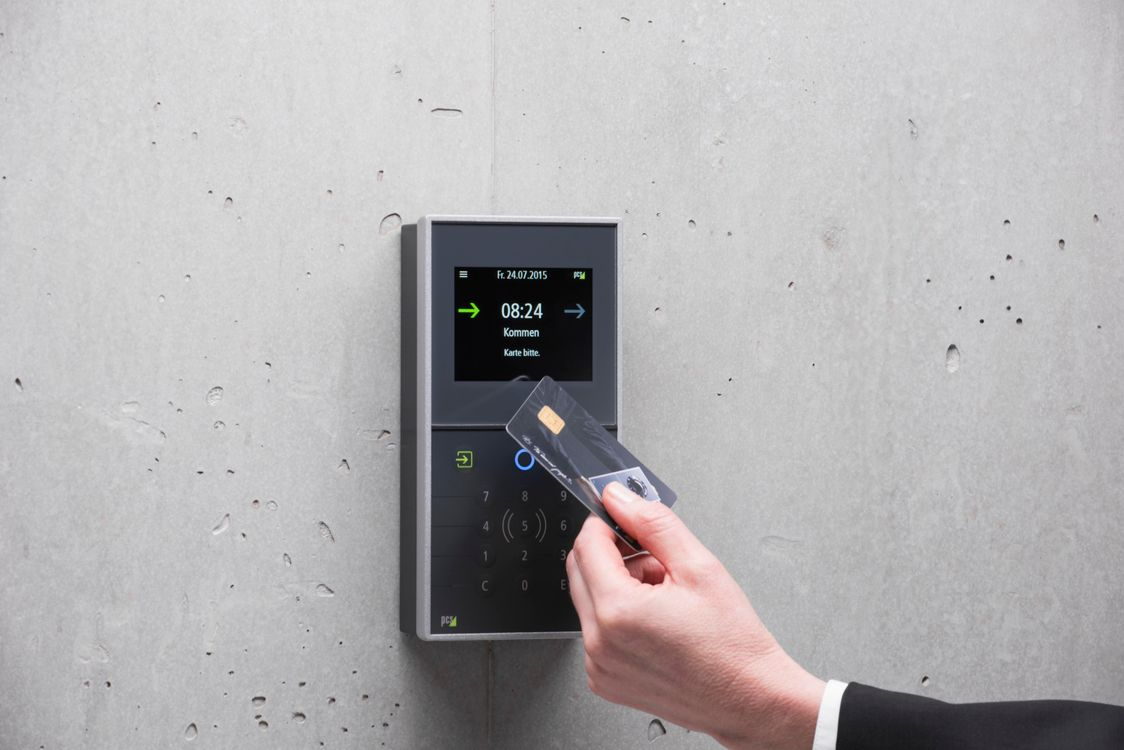
Smart Attendance System Features Every Organisation Should Look For

Smart attendance systems have become a critical part of modern workforce infrastructure, especially as organisations in Oman continue to adopt digital transformation across HR, operations, and security functions. Attendance tracking is no longer a basic administrative process. It now plays a direct role in payroll accuracy, workforce planning, compliance reporting, and operational efficiency. For decision-makers, selecting the right system is not about choosing the most feature-rich platform, but about identifying the features that genuinely improve accuracy, reduce manual workload, and integrate with broader enterprise systems. A poorly chosen system can create data inconsistencies, operational friction, and long-term inefficiencies. In contrast, a well-designed smart attendance system functions as a connected workforce intelligence tool. Multi-Mode Authentication for Operational Flexibility Modern organisations operate across multiple workforce categories, including office staff, field teams, contractors, and shift-based employees. A single authentication method is no longer sufficient to support this diversity. A reliable smart attendance system should support multiple verification methods such as biometric recognition, RFID cards, mobile-based check-ins, and secure PIN authentication. This ensures continuity across different environments and reduces dependency on a single point of failure. In many enterprise deployments, biometric systems such as fingerprint or face recognition are combined with mobile access to improve both speed and accuracy. Multi-mode authentication ensures time attendance systems remain functional across varied workforce structures. Real-Time Workforce Visibility and Control One of the most important capabilities of a modern attendance system is real-time data processing. Traditional systems often rely on delayed reporting, which limits operational responsiveness. Real-time visibility enables organisations to monitor workforce activity as it happens, including attendance status, shift adherence, and late arrivals. This allows managers to respond immediately to workforce gaps or scheduling issues. In high-volume environments, this capability becomes essential for maintaining operational continuity. Real-time data transforms attendance from a recordkeeping function into an operational control system. Cloud-Based Architecture for Scalable Workforce Management Cloud integration has become a standard requirement for modern attendance systems, particularly in organisations with multiple locations across Oman or the wider region. A cloud-based attendance system allows centralised access to data, enabling HR and management teams to monitor workforce activity across all sites without being physically present at each location. It also improves system scalability, making it easier to expand as the organisation grows. Cloud systems unify workforce data across distributed operations. Automated Reporting and Workforce Analytics Manual reporting is one of the most time-consuming aspects of workforce management. Smart attendance systems eliminate this by generating automated reports on attendance trends, overtime, absenteeism, and shift performance. These insights help organisations identify workforce patterns that may not be visible through manual observation. Typical automated outputs include: daily and monthly attendance summaries overtime and shift analysis absenteeism tracking workforce trend reports Automation improves both data accuracy and decision-making speed. Integration with HR and Payroll Systems A critical feature often overlooked during system selection is integration capability. A smart attendance system should seamlessly connect with HR and payroll platforms to ensure data consistency. This integration reduces manual entry errors, improves salary calculation accuracy, and ensures that attendance data directly supports payroll processing. Without integration, organisations risk maintaining duplicate systems and fragmented workforce records. Integration eliminates data silos between attendance, HR, and payroll systems. Security, Compliance, and Data Protection Since time attendance systems handle sensitive employee data, security is a key consideration. Modern systems should include encrypted data storage, role-based access controls, and detailed audit trails. These features ensure that only authorised personnel can access workforce data and that all system activity is traceable. This is particularly important for organisations in regulated sectors such as government, banking, and large-scale industrial operations in Oman. Strong security features protect both organisational data integrity and compliance requirements. System Reliability and Offline Functionality In certain environments, such as industrial sites or remote facilities, internet connectivity may not always be stable. A reliable smart attendance system should be capable of operating offline and synchronising data once connectivity is restored. This ensures that attendance records are never lost and that workforce tracking continues uninterrupted. Offline capability ensures operational continuity in all working conditions. Role of AL Maha Business Systems in Oman In Oman, organisations increasingly rely on integrated workforce and security solutions to manage growing operational complexity. AL Maha Business Systems provides smart attendance and workforce management solutions designed to support biometric authentication, mobile access, cloud integration, and enterprise-level reporting systems. These solutions are built to help organisations improve workforce accuracy, streamline HR processes, and enhance operational visibility across single and multi-site environments. By aligning attendance systems with broader access control and security infrastructure, AL Maha Business Systems supports organisations in building more connected and efficient workplace ecosystems. Decision-Making Perspective for Organisations For decision-makers evaluating smart attendance systems, the focus should not only be on features but on system alignment with operational goals. The most effective systems are those that combine accuracy, scalability, integration capability, and security in a unified platform. Organisations that prioritise real-time visibility, automated reporting, and cloud-based infrastructure are better positioned to manage modern workforce challenges effectively. If your organisation in Oman is evaluating or upgrading its attendance management infrastructure, AL Maha Business Systems can help design and deploy a smart attendance solution tailored to your operational environment. Get in touch to assess your current system and explore a more accurate, scalable, and fully integrated workforce management approach.

Learn More
Old-fashioned keycard door access control system in office building showing limited technology and manual dependency

Why Traditional Door Access Control Systems Fail During Peak Entry Hours

Traditional door access control systems were designed for a workplace reality that no longer exists. In earlier environments, employee movement was predictable, workforce density was stable, and entry points were used in a relatively balanced flow throughout the day. Systems such as card readers, PIN-based entry panels, and standalone authentication devices were sufficient to regulate access. Modern workplaces in Oman and across similar enterprise environments now operate under significantly different conditions. Large-scale facilities, shift-based operations, multi-tenant buildings, and hybrid work schedules create concentrated surges of employee movement during specific time windows, particularly at shift changes and morning entry periods. During these peak entry hours, traditional access control systems consistently reveal structural limitations in throughput, scalability, and real-time adaptability. Throughput Limitations During High-Density Entry Flow The most visible failure point of traditional access control systems is limited processing capacity. Each authentication event—whether via card swipe, PIN entry, or basic biometric scan—must be processed individually. Even when the system is functioning correctly, each user requires a fixed interaction time. In low-traffic conditions, this delay is operationally acceptable. However, during peak entry periods, the cumulative effect becomes significant. This results in: queue formation at primary entry points congestion in building access zones delayed workforce entry during shift start times uneven distribution of foot traffic across access points Traditional systems are operationally stable but structurally non-scalable under high-volume conditions. Sequential Authentication Creates Bottlenecks Most traditional systems operate on a sequential authentication model. This means users must complete verification one after another at a single checkpoint. Unlike modern distributed access systems, there is no parallel processing capability at the entry layer. As workforce density increases, this sequential model becomes a bottleneck rather than a control mechanism. In enterprise environments such as corporate headquarters, manufacturing facilities, and government buildings in Oman, this limitation is most apparent during fixed shift transitions where large groups attempt simultaneous entry. Sequential access design is incompatible with modern workforce concentration patterns. Security Degradation Under Congestion Pressure As congestion increases, security enforcement often weakens unintentionally. This is not due to system failure, but due to human and operational pressure at entry points. Common behavioural risks during peak hours include: tailgating behind authenticated users rushed credential scanning reduced verification strictness by security personnel informal bypassing of entry protocols When queues grow, the priority often shifts from strict validation to flow management. High congestion environments naturally reduce the effectiveness of strict access enforcement. Increased Error Rates and Repeated Authentication Cycles Traditional access systems are more vulnerable to error under high usage intensity. Examples include: failed card reads due to wear or positioning PIN entry mistakes under time pressure biometric mismatches caused by environmental factors repeated authentication attempts increasing queue length Each failed attempt creates a secondary delay cycle, amplifying congestion and reducing throughput efficiency. This feedback loop—delay causing errors, and errors causing further delay—is a common operational issue in legacy systems. Error repetition under load is a key driver of peak-time inefficiency. Lack of Dynamic Traffic Management Capability Traditional access control systems operate on fixed logic. They do not adjust based on real-time workforce density or entry volume. There is typically no mechanism to: redistribute employee flow across multiple access points prioritise entry based on urgency or shift timing dynamically adjust authentication methods integrate occupancy-aware access control This static structure limits their ability to respond to predictable peak-time surges. Static access systems cannot respond to dynamic workforce movement patterns. Operational Impact on Enterprise Environments The consequences of peak-hour inefficiencies extend beyond entry delays. In enterprise environments in Oman, these inefficiencies can affect: shift start precision in industrial operations productivity cycles in corporate offices service readiness in public sector facilities coordination between departments and operational units Over time, repeated entry delays reduce workforce efficiency and increase operational friction at scale. Access bottlenecks directly influence organisational time management and operational rhythm. Transition Toward Scalable Access Ecosystems Organisations are increasingly moving toward access control systems that are designed for high-throughput environments. These include: biometric authentication systems with faster processing capability mobile-based credentials reducing physical interaction delays multi-lane entry configurations integrated workforce flow monitoring real-time access analytics and congestion detection In contrast to traditional systems, these architectures are designed for parallel processing and dynamic adaptation. Modern access systems prioritise flow efficiency as much as security enforcement. Why AL Maha Business Systems? AL Maha Business Systems, based in Oman, delivers advanced access control and workforce management solutions designed for modern enterprise environments. The company focuses on biometric systems, mobile-based access technologies, and integrated security infrastructure that help organisations improve operational efficiency and manage high-density workforce environments more effectively. Request a Consultation. Organisations experiencing entry congestion, delayed shift processing, or limitations in legacy access systems can benefit from a modernised approach to access control infrastructure. AL Maha Business Systems provides tailored assessments and deployment strategies designed to improve throughput, enhance security enforcement, and support scalable workforce movement across facilities in Oman. To evaluate your current access control environment or explore next-generation solutions, call +968 9116 7392 for a consultation and system review.

Learn More

Improving Employee Access Management Using Mobile Based Door Access Systems

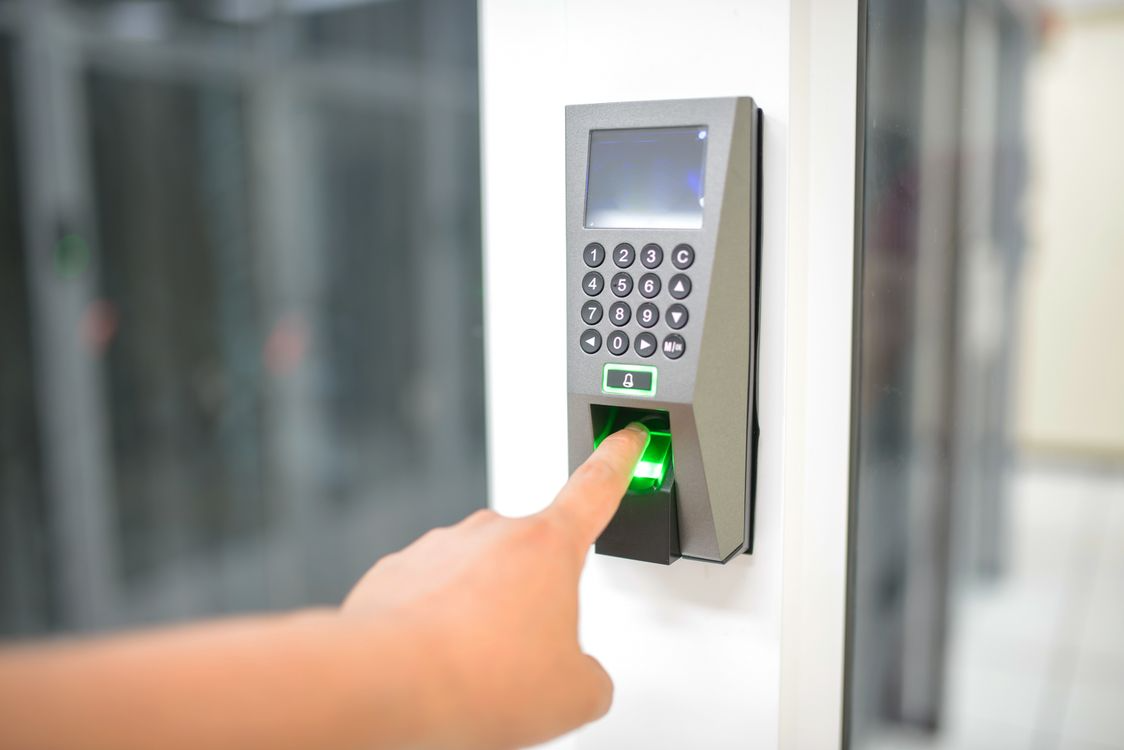
Employee access management is undergoing a major transformation. As organisations move toward smarter workplaces, traditional methods of access control—such as physical keys and standalone card systems—are no longer sufficient on their own. Modern businesses require systems that are secure, flexible, scalable, and easy to manage across multiple locations and user groups. Mobile-based door access systems are emerging as one of the most effective solutions to meet these demands. By using smartphones as secure credentials, organisations can simplify employee entry while strengthening control, improving visibility, and integrating seamlessly with broader access control ecosystems such as biometric systems, smart cards, and fingerprint authentication. This shift is not just about convenience. It represents a fundamental change in how organisations manage identity, security, and workplace movement. The Shift from Physical Credentials to Digital Identity For many years, employee access management relied heavily on physical credentials such as keys and access cards. While effective, these methods come with limitations including loss, duplication risk, and administrative overhead. Mobile-based access systems replace physical credentials with digital identity stored securely on a smartphone. Employees can unlock doors, gates, or restricted areas using mobile applications, Bluetooth, NFC, or QR-based authentication. This transition introduces a more dynamic and secure approach to access management, where identity is no longer tied to a physical object but to a verified digital profile. As workplaces become more flexible and distributed, this shift is becoming increasingly important. Why Mobile-Based Access Is Gaining Momentum The adoption of mobile-based door access systems is being driven by several operational and security advantages. 1. Convenience for Employees Employees already rely heavily on smartphones for communication, scheduling, and work-related tasks. Extending access control to mobile devices reduces the need to carry additional credentials. This simplifies daily routines and reduces friction at entry points. 2. Reduced Risk of Credential Loss Lost or stolen access cards present a significant security risk. Mobile credentials can be remotely managed, updated, or revoked instantly, reducing exposure to unauthorized access. 3. Faster Access Experience Mobile-based authentication enables quick verification through proximity or touchless methods, reducing queues and improving entry flow in busy environments. 4. Centralised Control for Administrators Security teams can manage access permissions in real time from central dashboards. This allows for immediate updates when employees join, leave, or change roles. Strengthening Security Through Multi-Layer Integration One of the most powerful aspects of mobile-based access systems is their ability to integrate with existing security technologies. Rather than replacing biometric or card-based systems, mobile access often works as part of a layered security model. Integration with Biometric Systems In high-security zones, mobile access can be combined with biometric verification such as fingerprint or facial recognition. This creates multi-factor authentication, ensuring stronger identity validation. Integration with Smart Card Systems Some organisations adopt hybrid models where mobile credentials complement smart card systems. Employees may use mobile access for general entry and cards for backup or specific areas. Integration with Fingerprint Access Control Fingerprint systems add another layer of identity verification, especially in environments requiring strict compliance or restricted access zones. Integration with Existing Infrastructure Mobile access systems can be connected to: Door controllers Turnstile gates Time attendance systems Visitor management platforms CCTV monitoring systems This creates a unified access control ecosystem where all entry points are monitored and recorded. Enhancing Operational Efficiency Beyond security, mobile-based access systems significantly improve operational efficiency across organisations. Faster Employee Onboarding New employees can be granted access instantly without waiting for physical card issuance. Digital credentials can be activated immediately upon onboarding. Simplified Offboarding When employees leave, access can be revoked instantly across all systems, eliminating the risk of retained physical credentials. Reduced Administrative Burden Security and HR teams spend less time managing physical cards, replacements, and manual access updates. Improved Workflow Across Locations For organisations with multiple offices or sites, mobile access allows employees to move between locations without requiring separate physical credentials. Supporting Flexible and Hybrid Work Environments Modern workplaces are increasingly hybrid, with employees moving between office, remote, and field environments. Mobile-based door access systems support this flexibility by enabling: Remote credential provisioning Temporary access for contractors or visitors Location-based access control rules Time-restricted entry permissions This ensures that access control adapts to workforce patterns rather than restricting them. In hybrid environments, security systems must be flexible enough to accommodate fluctuating attendance and dynamic workplace usage. Mobile access provides this adaptability. Improving Real-Time Visibility and Monitoring One of the most valuable features of mobile-based access systems is real-time visibility. Every access event is recorded digitally and can be monitored through central dashboards. This allows organisations to: Track employee movement across facilities Monitor entry and exit patterns Identify unusual access behaviour Generate real-time reports for security audits When integrated with biometric and smart card systems, this visibility becomes even more comprehensive, providing a complete view of workplace activity. Strengthening Compliance and Security Governance In regulated industries, maintaining accurate access records is essential. Mobile-based systems support compliance by ensuring: Accurate audit trails of all access events Time-stamped entry and exit logs Role-based access control enforcement Secure identity verification processes When combined with biometric authentication and fingerprint systems, mobile access contributes to a multi-layered compliance framework that is easier to monitor and audit. This reduces risk and improves accountability across the organisation. Scalability for Growing Organisations As businesses grow, access control systems must scale without disruption. Mobile-based door access systems are inherently scalable because they do not depend on physical infrastructure for credential distribution. Organisations can: Add new users instantly Expand to new buildings or locations Update access permissions centrally Integrate additional security layers as needed This makes mobile access particularly suitable for organisations experiencing rapid growth or operational expansion. Challenges and Considerations While mobile-based access systems offer significant advantages, organisations must also consider certain factors during implementation. Device Dependency Employees must have access to compatible smartphones, and device compatibility must be managed carefully. Network Reliability Some mobile access systems rely on connectivity, making infrastructure stability important. Security Configuration Proper encryption, authentication protocols, and access policies are essential to prevent misuse or unauthorized access. Change

Learn More
Employee swiping access card at office door reader system

Swipe Card Access Control: Still Relevant or Ready for Reinvention?

As access control technologies continue to evolve, swipe card systems often sit in an interesting position. They are not the newest solution, nor the most advanced, yet they remain one of the most widely deployed methods of managing physical access across offices, institutions, and industrial environments. This raises a critical question for modern organisations: are swipe card access control systems still relevant, or are they gradually being replaced by newer technologies such as biometrics, mobile credentials, and AI-driven authentication? The reality is more nuanced. Rather than being obsolete, swipe card systems are evolving. Their role is shifting from standalone access solutions to integrated components within broader, layered security ecosystems. Understanding this transition is essential for organisations planning long-term security infrastructure. The Endurance of Card-Based Access Systems Swipe card access control has been in use for decades. Its longevity is not accidental. It is the result of consistent reliability, ease of deployment, and adaptability across different environments. Even as newer technologies emerge, card-based systems continue to be widely used because they offer: Simple user experience Low implementation complexity Cost-effective scalability Reliable offline functionality Compatibility with legacy systems For many organisations, especially those managing large workforces or multiple sites, swipe card systems remain a practical and stable solution. Their continued presence in modern infrastructure highlights an important point: security systems are not always replaced; they are often layered and integrated. Why Organisations Still Rely on Swipe Cards Despite advancements in biometric and mobile-based access control, swipe cards remain deeply embedded in organisational workflows. One of the primary reasons is operational familiarity. Employees understand how to use access cards without training, making adoption seamless across large teams. Additionally, swipe card systems are highly flexible. Organisations can easily: Issue new cards Revoke access instantly Assign role-based permissions Update access rights centrally This level of administrative control is particularly valuable in dynamic environments such as corporate offices, educational institutions, and healthcare facilities. In many cases, swipe card systems serve as the foundation of access control infrastructure, even when more advanced technologies are added on top. The Limitations Driving Reinvention While swipe card systems remain useful, they are not without limitations. Common challenges include: Risk of card sharing or loss Possibility of duplication in poorly secured systems Dependence on physical possession of a card Limited identity verification compared to biometrics Reduced visibility in unmanaged environments These limitations have driven organisations to explore more secure alternatives such as fingerprint recognition, facial authentication, and mobile-based credentials. However, instead of fully replacing swipe cards, many organisations are choosing to enhance them through integration and layered security design. The Shift Toward Layered Security Ecosystems Modern security strategy is increasingly based on the principle of layered access control. Rather than relying on a single method of authentication, organisations combine multiple systems to strengthen security and reduce risk. In this model, swipe card access control is often used alongside: Biometric authentication systems Mobile access credentials PIN-based verification CCTV monitoring systems Visitor management platforms Time attendance systems Each layer adds a level of verification or visibility. For example, an employee may use a swipe card for building entry, while biometric authentication is required for restricted zones such as server rooms or control centres. This layered approach ensures that no single credential type becomes a point of vulnerability. Where Swipe Card Systems Still Add Value Despite evolving technology, swipe card systems continue to offer meaningful value in several key areas. 1. Operational Efficiency Swipe cards provide fast, frictionless access for high-volume environments. Employees can enter and exit buildings quickly without delays, making them ideal for busy workplaces. 2. Scalability Card systems can be scaled easily across large organisations without significant infrastructure changes. Adding new users is simple and cost-effective. 3. Integration Capability Modern card systems can integrate with advanced platforms such as: Access control management software Attendance tracking systems Security monitoring dashboards Enterprise resource systems This makes them highly adaptable within modern digital ecosystems. 4. Transitional Security Infrastructure For organisations upgrading from legacy systems, swipe cards often serve as an intermediate step before adopting more advanced technologies. They allow gradual modernization without disrupting operations. The Role of Technology Reinforcement Rather than being replaced, swipe card systems are being reinforced with additional technologies. For example: Biometric verification can be added for sensitive areas Mobile credentials can supplement physical cards AI-based monitoring can detect unusual access patterns Cloud-based platformscan centralise access management This reinforcement approach extends the lifespan and capability of existing card systems while improving overall security posture. In many organisations, swipe cards are no longer the sole method of access—they are part of a multi-factor authentication environment. Swipe Cards in Hybrid Work Environments The rise of hybrid work has added new complexity to access control systems. With fluctuating office attendance, organisations require flexible systems that can adapt to changing workforce patterns. Swipe card systems still play a key role in this environment because they allow: Easy activation and deactivation of users Temporary access provisioning Flexible scheduling and permissions Integration with attendance systems for hybrid tracking When combined with cloud-based management platforms, swipe cards continue to support dynamic workforce environments effectively. Security Evolution Without Disruption One of the key advantages of swipe card systems is their ability to evolve without requiring full replacement. Organisations can upgrade their security infrastructure in stages: Maintain existing swipe card system Add biometric authentication for high-security zones Introduce mobile access credentials for flexibility Integrate AI-based monitoring for anomaly detection This evolutionary approach reduces cost, minimizes operational disruption, and allows organisations to strengthen security over time. It also ensures continuity, which is critical in large-scale operations. The Future Role of Swipe Card Access Control Swipe card systems are unlikely to disappear. Instead, their role will continue to shift. In the future, they will likely function as: Primary access method for general entry Backup authentication method for digital systems Administrative credential within layered security environments Integration point for workforce and access data systems Their simplicity ensures they remain valuable even as more advanced technologies become widespread. The real transformation is not in their

Learn More

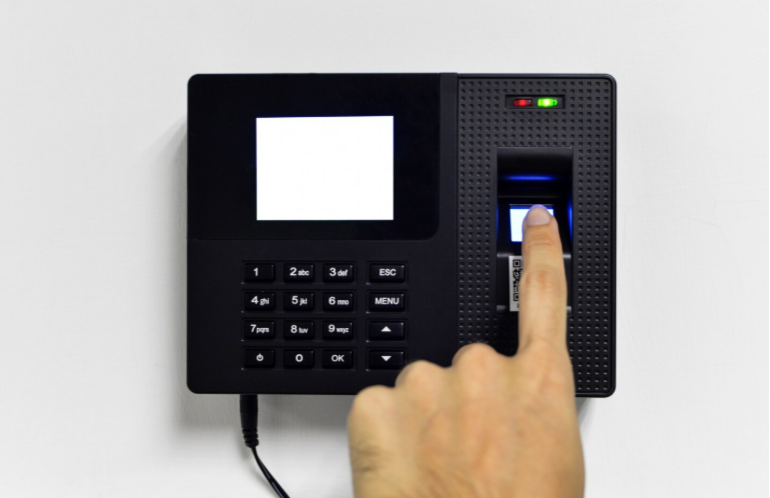
The Future of Time Attendance Systems: AI, Biometrics, and Predictive Workforce Insights

For decades, time attendance systems have served a relatively straightforward purpose: recording when employees arrive, leave, and complete their working hours. While this function remains important, the role of attendance technology is undergoing a significant transformation. Organisations today face increasingly complex workforce challenges. Hybrid working models, distributed teams, compliance requirements, labour cost pressures, and changing employee expectations have all created new demands on workforce management. As a result, attendance systems are evolving from simple record-keeping tools into intelligent platforms capable of generating operational insights and supporting strategic decision-making. The future of time attendance systems is being shaped by three powerful forces: artificial intelligence, biometric authentication, and predictive workforce analytics. Together, these technologies are redefining how organisations understand productivity, manage compliance, and plan for future workforce needs. Attendance Is No Longer Just an HR Function Historically, attendance management was viewed primarily as an administrative responsibility. HR departments relied on attendance records for payroll processing, leave management, and compliance reporting. The system’s role was largely reactive, documenting what had already happened. Today, that perspective is changing. Workforce attendance data is increasingly recognised as a valuable source of operational intelligence. Every attendance record contributes to a broader understanding of how an organisation functions on a daily basis. Patterns in employee arrivals, shift adherence, absenteeism, overtime, and workforce availability can provide insights that extend well beyond payroll administration. Business leaders are beginning to view attendance information as a resource that supports workforce planning, operational efficiency, and performance management. This shift is transforming attendance systems from administrative tools into strategic business assets. The Rise of AI-Powered Attendance Systems Artificial intelligence is expected to play a defining role in the next generation of attendance technology. Traditional attendance platforms are designed to collect and display information. AI-powered systems take this a step further by analysing data, identifying patterns, and highlighting issues that may otherwise go unnoticed. Rather than relying on managers to manually review reports, intelligent attendance platforms can automatically identify trends such as: Repeated lateness patterns Rising absenteeism rates Workforce scheduling inefficiencies Excessive overtime dependency Unusual attendance anomalies Department-specific attendance concerns The real value of AI lies in its ability to transform large volumes of workforce data into meaningful insights. For example, a manager overseeing multiple departments may struggle to identify subtle attendance trends across hundreds of employees. AI-driven systems can recognise these patterns quickly and provide actionable recommendations, allowing organisations to respond before small issues become larger operational challenges. As AI capabilities continue to mature, attendance systems are likely to become increasingly proactive rather than reactive. Biometrics Are Strengthening Attendance Accuracy One of the longest-standing challenges in workforce management has been ensuring attendance records accurately reflect employee presence. Traditional methods such as manual registers, PIN codes, passwords, and shared credentials can create opportunities for error and misuse. In large organisations, even small inaccuracies can accumulate into significant operational and payroll concerns. Biometric time attendance systems address this challenge by linking attendance directly to an individual’s identity. Technologies including: Fingerprint recognition Face recognition Palm-based authentication Contactless biometric verification allow organisations to confirm attendance with a high degree of accuracy. The growing adoption of biometric attendance systems is not solely driven by security concerns. Organisations are increasingly recognising the operational benefits they provide. These benefits include: Reduced time theft Elimination of buddy punching Improved attendance accuracy Stronger workforce accountability Faster employee verification Simplified attendance management As biometric technology becomes more sophisticated and accessible, it is expected to become a standard component of workforce management strategies across a wide range of industries. The Growth of Contactless Authentication The workplace technology landscape has shifted significantly in recent years, accelerating demand for contactless solutions. Employees increasingly expect workplace systems to be both secure and convenient. Contactless authentication helps organisations meet these expectations while improving the overall user experience. Face recognition attendance systems, mobile-based verification methods, and AI-assisted identity validation are becoming increasingly common in modern workplaces. These technologies offer several advantages: Reduced physical contact Faster authentication Improved user convenience Enhanced security Better scalability for high-traffic environments Contactless attendance solutions are particularly valuable in corporate offices, healthcare facilities, educational institutions, and government organisations where large numbers of people require quick and efficient access. As organisations continue to modernise workplace infrastructure, demand for frictionless attendance experiences is expected to grow. Predictive Workforce Insights: The Next Frontier Perhaps the most transformative development in attendance technology is the emergence of predictive workforce analytics. Most attendance systems have traditionally focused on reporting historical information. They show what happened yesterday, last week, or last month. Predictive analytics changes the conversation by helping organisations understand what may happen next. Using historical attendance patterns and AI-driven analysis, modern platforms can identify indicators that support forward-looking workforce planning. Examples include: Forecasting absenteeism trends Predicting staffing shortages Anticipating overtime requirements Identifying workforce fatigue risks Highlighting scheduling inefficiencies Detecting emerging workforce challenges This shift allows organisations to become more proactive in workforce management. Instead of responding to staffing issues after they disrupt operations, leaders can use predictive insights to make informed decisions in advance. The ability to anticipate workforce challenges rather than simply react to them represents a major evolution in attendance technology. Attendance Systems and Workforce Strategy As attendance platforms become more intelligent, they are increasingly influencing broader organisational strategy. Senior leaders are no longer asking only whether employees arrived on time. They are asking larger operational questions. Questions such as: Are workforce resources being utilised effectively? Which departments experience the highest absenteeism? How are attendance trends affecting productivity? Where are compliance risks emerging? What patterns indicate future workforce challenges? Attendance systems are becoming valuable because they help answer these questions through data rather than assumptions. For organisations operating across multiple locations or managing large workforces, this visibility can support better decision-making regarding staffing, scheduling, productivity, and workforce planning. The organisations gaining the greatest value from attendance technology are those that recognise its role in supporting business strategy rather than simply administrative reporting. Compliance Will Become More Automated Compliance obligations continue to grow across industries. Organisations are expected to maintain accurate

Learn More
biometric shipping fleet crew attendance management system connected to cloud platform

How Cloud Attendance Systems Transform Workforce Management in Maritime and Offshore Environments

Workforce management in maritime and offshore environments is unlike managing staff in a conventional office. Ports, shipping fleets, vessel crews, and offshore teams operate across multiple locations, shifting schedules, and often difficult working conditions. In these settings, traditional attendance methods can quickly become unreliable, especially when teams move between terminals, vessels, platforms, and support facilities. Cloud attendance systems are changing that. By centralising workforce data in a secure digital platform, they give organisations better visibility, stronger accountability, and more accurate records across complex operations. For maritime businesses and offshore employers, this shift is more than a convenience. It is a practical way to improve control, support compliance, and manage people more effectively. The challenge of tracking mobile workforces Maritime and offshore operations rarely happen in one place. A port may have dock workers, security teams, logistics staff, maintenance crews, and management teams all working on different schedules. Shipping fleets may require crew changes at irregular intervals. Offshore sites often operate with rotating shifts, temporary assignments, and limited connectivity. In these environments, manual attendance records or isolated systems can create serious gaps. Delays, missing logs, and inconsistent reporting make it difficult to know who is on site, who has completed a shift, and whether workforce allocations are accurate. Cloud attendance systems solve this by giving managers one central view of attendance data across all sites and teams. Better visibility across ports and fleets One of the biggest advantages of cloud attendance systems is real-time visibility. Instead of waiting for paper logs or local system updates, managers can see attendance activity as it happens. This is especially useful in ports, where multiple crews may be working across different gates, terminals, and operational zones. A cloud system can track when workers arrive, where they clock in, and how shift coverage is progressing throughout the day. For shipping fleets, cloud-based records help centralise crew attendance across vessels and support offices. This makes it easier to manage rotations, verify crew availability, and maintain accurate staffing records across a distributed operation. The result is better coordination and fewer operational blind spots. Supporting offshore workforce tracking Offshore environments present additional challenges because communication and connectivity may be limited. Workers on rigs, platforms, or remote marine sites need a system that remains accurate even when conditions are difficult. Cloud attendance platforms are designed to support this kind of complexity. Depending on the solution, attendance can be recorded through mobile devices, connected terminals, or synchronised systems that upload data once connectivity is restored. This ensures that attendance records remain consistent even when workers are operating in isolated environments. For offshore employers, that means better control over shift tracking, deployment records, and workforce planning. Improving accountability and compliance Maritime and offshore industries often operate under strict safety, labour, and operational requirements. Accurate attendance records are essential for demonstrating compliance and maintaining accountability. Cloud attendance systems automatically create digital records of employee activity, which can be used for audits, reporting, and internal reviews. These records help organisations verify working hours, monitor shift completion, and identify exceptions quickly. In a sector where labour compliance and operational documentation matter, this level of traceability is a major advantage. It reduces the risk of missing records and supports more reliable governance across the workforce. Helping managers make faster decisions When attendance information is fragmented, managers spend more time gathering data and less time acting on it. Cloud systems reduce that delay. With access to real-time dashboards and centralised reports, supervisors can quickly see whether a shift is fully staffed, whether replacements are needed, or whether a team is running behind schedule. This is especially valuable in maritime and offshore operations, where delays can affect cargo handling, vessel turnaround, safety procedures, and productivity. By turning attendance into live workforce intelligence, cloud systems help leaders respond faster and plan more effectively. A smarter approach to complex environments Cloud attendance systems are not just about recording time. In maritime and offshore settings, they help bring order to highly dynamic, high-responsibility operations. They improve visibility across sites, support compliance, reduce administrative burden, and help managers stay in control of teams that are constantly on the move. For organisations that depend on accurate staffing and dependable reporting, this kind of system is becoming essential. Transform workforce visibility with AL Maha Business Systems AL Maha Business Systems provides advanced solutions designed to help ports, shipping operations, and offshore teams improve workforce tracking, accountability, and operational control. Our solutions support secure, centralised attendance management for complex environments where visibility and accuracy matter most. Get in touch for more information on cloud attendance systems tailored to your maritime or offshore workforce needs.

Learn More

Connect With Us

Find out how ALMAHA can support

Door Access Control System

Automatic sliding doors & gates

Automatic safe lockers

Bollards and blockers

Key management system

Cctv video storage

Visitor management system

Bag/luggage scanner

Canteen management solution

Arm barrier gates

Flap barrier gate

Time & attendance systems

Lorem ipsum dolor sit amet, consectetur adipiscing elit. Ut elit tellus, luctus nec ullamcorper mattis, pulvinar dapibus leo.

All about Security Systems

Lorem ipsum dolor sit amet consectetur. Aliquam sit consequat nullam non vulputate purus dolor. In amet nulla mauris mauris