
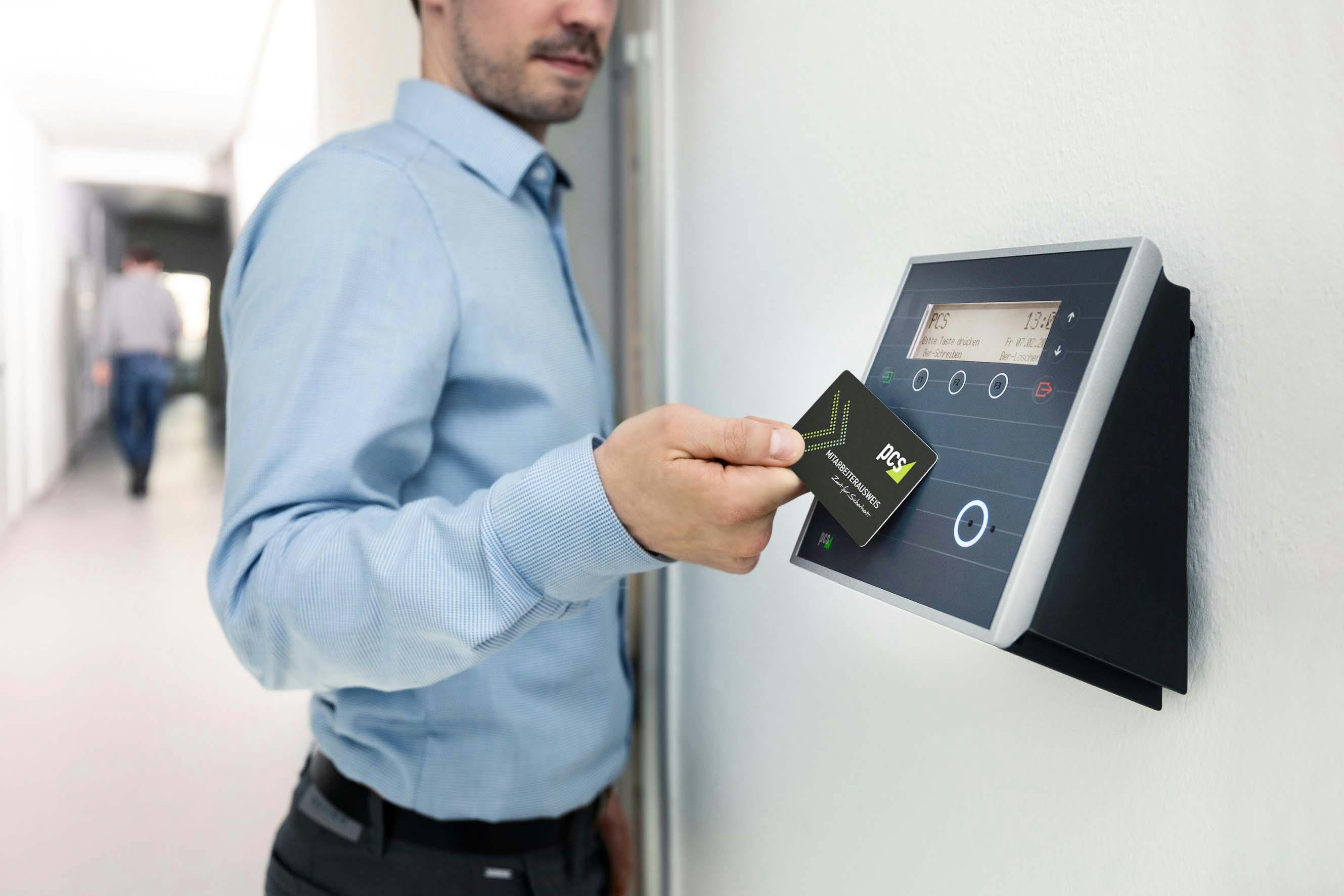
As access control technologies continue to evolve, swipe card systems often sit in an interesting position. They are not the newest solution, nor the most advanced, yet they remain one of the most widely deployed methods of managing physical access across offices, institutions, and industrial environments.
This raises a critical question for modern organisations: are swipe card access control systems still relevant, or are they gradually being replaced by newer technologies such as biometrics, mobile credentials, and AI-driven authentication?
The reality is more nuanced. Rather than being obsolete, swipe card systems are evolving. Their role is shifting from standalone access solutions to integrated components within broader, layered security ecosystems.
Understanding this transition is essential for organisations planning long-term security infrastructure.
The Endurance of Card-Based Access Systems
Swipe card access control has been in use for decades. Its longevity is not accidental. It is the result of consistent reliability, ease of deployment, and adaptability across different environments.
Even as newer technologies emerge, card-based systems continue to be widely used because they offer:
- Simple user experience
- Low implementation complexity
- Cost-effective scalability
- Reliable offline functionality
- Compatibility with legacy systems
For many organisations, especially those managing large workforces or multiple sites, swipe card systems remain a practical and stable solution.
Their continued presence in modern infrastructure highlights an important point: security systems are not always replaced; they are often layered and integrated.
Why Organisations Still Rely on Swipe Cards
Despite advancements in biometric and mobile-based access control, swipe cards remain deeply embedded in organisational workflows.
One of the primary reasons is operational familiarity. Employees understand how to use access cards without training, making adoption seamless across large teams.
Additionally, swipe card systems are highly flexible. Organisations can easily:
- Issue new cards
- Revoke access instantly
- Assign role-based permissions
- Update access rights centrally
This level of administrative control is particularly valuable in dynamic environments such as corporate offices, educational institutions, and healthcare facilities.
In many cases, swipe card systems serve as the foundation of access control infrastructure, even when more advanced technologies are added on top.
The Limitations Driving Reinvention
While swipe card systems remain useful, they are not without limitations.
Common challenges include:
- Risk of card sharing or loss
- Possibility of duplication in poorly secured systems
- Dependence on physical possession of a card
- Limited identity verification compared to biometrics
- Reduced visibility in unmanaged environments
These limitations have driven organisations to explore more secure alternatives such as fingerprint recognition, facial authentication, and mobile-based credentials.
However, instead of fully replacing swipe cards, many organisations are choosing to enhance them through integration and layered security design.
The Shift Toward Layered Security Ecosystems
Modern security strategy is increasingly based on the principle of layered access control.
Rather than relying on a single method of authentication, organisations combine multiple systems to strengthen security and reduce risk.
In this model, swipe card access control is often used alongside:
- Biometric authentication systems
- Mobile access credentials
- PIN-based verification
- CCTV monitoring systems
- Visitor management platforms
- Time attendance systems
Each layer adds a level of verification or visibility.
For example, an employee may use a swipe card for building entry, while biometric authentication is required for restricted zones such as server rooms or control centres.
This layered approach ensures that no single credential type becomes a point of vulnerability.

Where Swipe Card Systems Still Add Value
Despite evolving technology, swipe card systems continue to offer meaningful value in several key areas.
1. Operational Efficiency
Swipe cards provide fast, frictionless access for high-volume environments. Employees can enter and exit buildings quickly without delays, making them ideal for busy workplaces.
2. Scalability
Card systems can be scaled easily across large organisations without significant infrastructure changes. Adding new users is simple and cost-effective.
3. Integration Capability
Modern card systems can integrate with advanced platforms such as:
- Access control management software
- Attendance tracking systems
- Security monitoring dashboards
- Enterprise resource systems
This makes them highly adaptable within modern digital ecosystems.
4. Transitional Security Infrastructure
For organisations upgrading from legacy systems, swipe cards often serve as an intermediate step before adopting more advanced technologies.
They allow gradual modernization without disrupting operations.
The Role of Technology Reinforcement
Rather than being replaced, swipe card systems are being reinforced with additional technologies.
For example:
- Biometric verification can be added for sensitive areas
- Mobile credentials can supplement physical cards
- AI-based monitoring can detect unusual access patterns
- Cloud-based platformscan centralise access management
This reinforcement approach extends the lifespan and capability of existing card systems while improving overall security posture.
In many organisations, swipe cards are no longer the sole method of access—they are part of a multi-factor authentication environment.
Swipe Cards in Hybrid Work Environments
The rise of hybrid work has added new complexity to access control systems.
With fluctuating office attendance, organisations require flexible systems that can adapt to changing workforce patterns.
Swipe card systems still play a key role in this environment because they allow:
- Easy activation and deactivation of users
- Temporary access provisioning
- Flexible scheduling and permissions
- Integration with attendance systems for hybrid tracking
When combined with cloud-based management platforms, swipe cards continue to support dynamic workforce environments effectively.
Security Evolution Without Disruption
One of the key advantages of swipe card systems is their ability to evolve without requiring full replacement.
Organisations can upgrade their security infrastructure in stages:
- Maintain existing swipe card system
- Add biometric authentication for high-security zones
- Introduce mobile access credentials for flexibility
- Integrate AI-based monitoring for anomaly detection
This evolutionary approach reduces cost, minimizes operational disruption, and allows organisations to strengthen security over time.
It also ensures continuity, which is critical in large-scale operations.
The Future Role of Swipe Card Access Control
Swipe card systems are unlikely to disappear. Instead, their role will continue to shift.
In the future, they will likely function as:
- Primary access method for general entry
- Backup authentication method for digital systems
- Administrative credential within layered security environments
- Integration point for workforce and access data systems
Their simplicity ensures they remain valuable even as more advanced technologies become widespread.
The real transformation is not in their removal, but in their repositioning within intelligent security ecosystems.
Rethinking Relevance in Modern Security
The question is not whether swipe card systems are outdated. The more important question is whether they still serve a purpose within a broader, more advanced security framework.
The answer is yes—but their role has changed.
They are no longer viewed as standalone security solutions. Instead, they are part of a connected ecosystem that includes biometrics, mobile access, cloud platforms, and AI-driven monitoring systems.
This shift reflects a broader trend in security architecture: integration over replacement.
Strengthen Access Control with AL Maha Business Systems
AL Maha Business Systems provides advanced swipe card access control solutions designed for modern security environments. Our systems are built to integrate seamlessly with biometric authentication, mobile access platforms, CCTV systems, and enterprise security infrastructure.
Whether used as a standalone solution or as part of a layered security framework, our access control systems help organisations improve security, streamline operations, and maintain full visibility over building access.
Call now to explore scalable swipe card access control solutions tailored to your organisation’s evolving security needs.