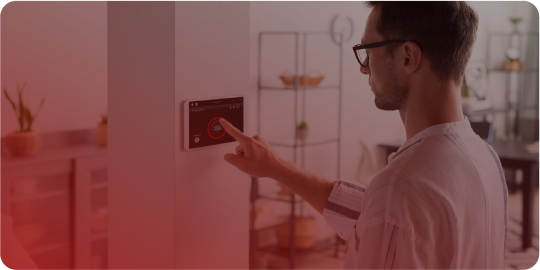
Hospitals operate in one of the most demanding security environments of any sector. They must remain open, accessible, and responsive to patients, while also protecting sensitive zones, equipment, records, and medication. This creates a constant balancing act between care and control.
Swipe card access control remains one of the most practical solutions for hospitals that need dependable everyday security. Although healthcare environments increasingly use biometrics and mobile access, card-based systems continue to play a vital role because they are simple, fast, and easy to manage across large, busy facilities.
For hospitals, clinics, laboratories, and specialist care centres, swipe card access helps create the structure needed to protect critical areas without slowing down essential operations.
Why hospitals need controlled entry
Unlike many workplaces, hospitals cannot rely on a single security model. Some areas must remain open to patients and visitors, while others require strict restriction. A reception area may need easy public access, but a pharmacy, ICU, operating theatre, records room, or staff-only treatment zone must be tightly controlled.
This is where swipe card access control proves valuable. It allows hospitals to assign permissions by role, department, and access level. A nurse, doctor, pharmacist, technician, and cleaner may all work in the same building, but not all of them should have access to the same rooms.
By giving each user the right level of access, hospitals reduce the risk of unauthorised entry while keeping movement efficient for approved staff.
Protecting sensitive areas such as pharmacies and ICUs
Certain parts of a hospital require a higher level of protection than others. Pharmacies store controlled medicines, ICUs contain vulnerable patients and specialist equipment, and laboratories may hold samples or restricted materials. These spaces cannot be managed effectively with open-door access or informal supervision.
Swipe card systems help ensure that only authorised personnel can enter these areas. Access can be restricted by shift, department, or seniority, and all entry attempts can be logged automatically.
This matters because even a small lapse in security can have serious consequences in a healthcare environment. Controlled access helps protect medication supplies, safeguard patient welfare, and support compliance with hospital procedures.
Improving accountability and audit trails
Healthcare organisations are expected to maintain high standards of accountability. When an incident occurs, it is important to know who entered a specific area, when they entered, and whether access was approved.
Swipe card access control creates a digital audit trail for every access event. This gives hospital administrators better visibility over movement within the facility and makes it easier to review security activity when required.
These records are useful for:
- internal investigations
- compliance reviews
- incident response
- shift monitoring
- departmental accountability
In a sector where accuracy matters, clear access records are an important part of operational control.
Supporting smooth daily operations
Security in hospitals must never become a barrier to care. Staff need quick and reliable access to work efficiently, especially during emergencies or high-pressure periods.
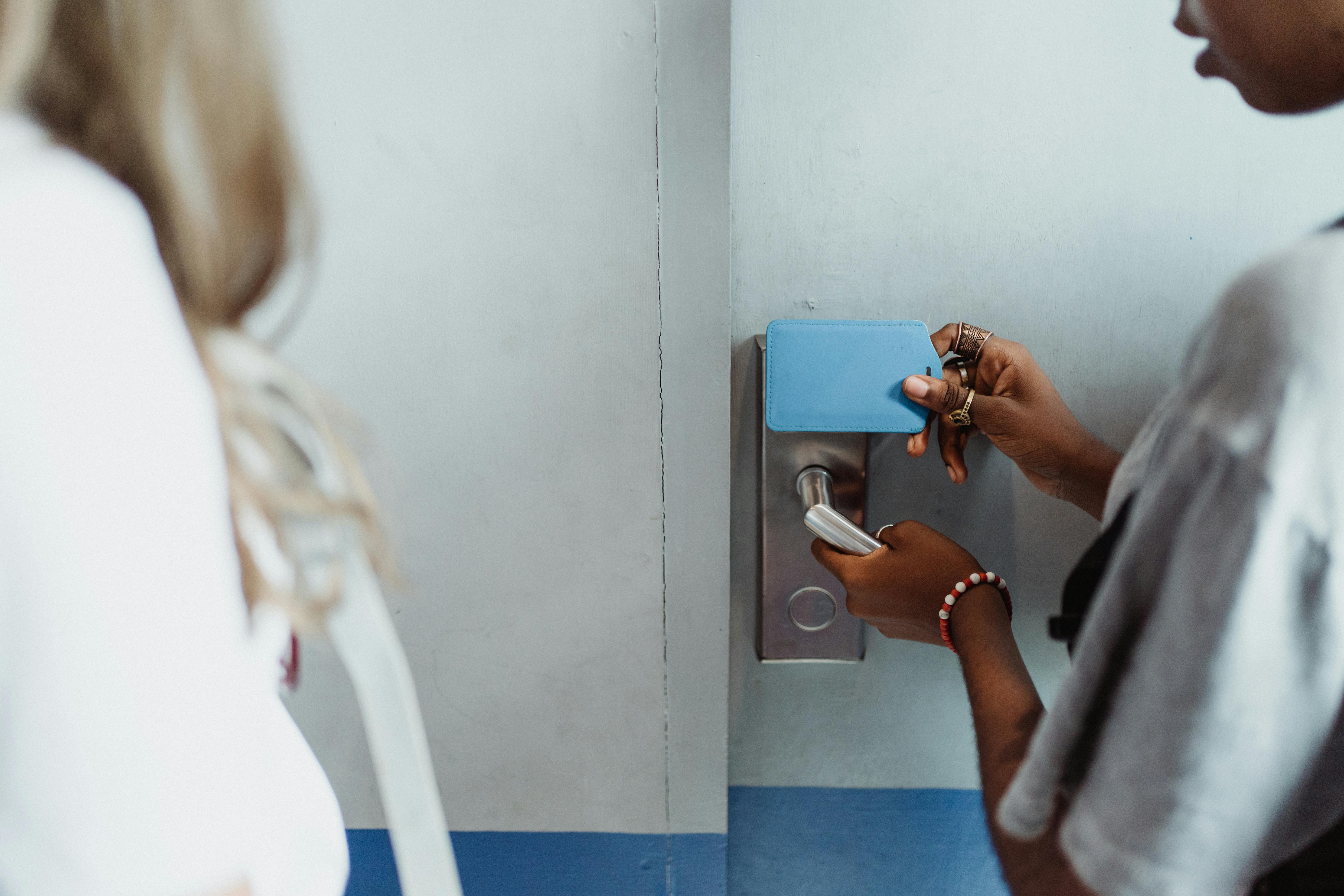
Swipe card systems support this by offering fast authentication that does not interrupt workflow. Staff can move through authorised areas with minimal delay, while security teams maintain control behind the scenes.
This makes card-based access especially suitable for hospitals that need both safety and speed. It also reduces the administrative burden of manually checking credentials at every restricted area.
A reliable foundation for layered healthcare security
While swipe cards are highly effective, they are often most powerful when used as part of a layered security strategy. Hospitals can combine card access with biometric authentication, visitor management, IP CCTV monitoring, and time attendance systems to create a stronger overall security framework.
In this model, swipe cards provide the everyday access layer, while more sensitive areas can require additional verification where needed. This keeps the system flexible without compromising security.
For healthcare facilities planning long-term improvements, swipe card access remains a dependable foundation that can work alongside more advanced technologies.
Secure your healthcare facility with AL Maha Business Systems
AL Maha Business Systems provides advanced swipe card access control solutions designed to help hospitals and healthcare facilities strengthen safety, improve accountability, and protect sensitive areas such as pharmacies, ICUs, and restricted staff zones.
Our access control systems can be integrated with smart card access, biometric authentication, and broader security infrastructure to support efficient and secure hospital operations.
Request a quote for a tailored access control system for your healthcare environment.