
Attendance management is often treated as a routine administrative function: employees arrive, their time is recorded, and payroll uses the resulting information. In modern organisations, that model is becoming increasingly limited.
A smart attendance system can connect attendance data with access control, HR processes, payroll workflows, shift schedules, and operational analytics. The result is a broader view of workforce activity that can support decisions far beyond simple timekeeping.
The value lies not only in recording when someone enters or leaves a workplace, but in understanding what workforce patterns mean for operations.
Smart attendance systems turn workforce presence data into structured information that can support payroll accuracy, staffing decisions, compliance, and operational planning.
What Is a Smart Attendance System?
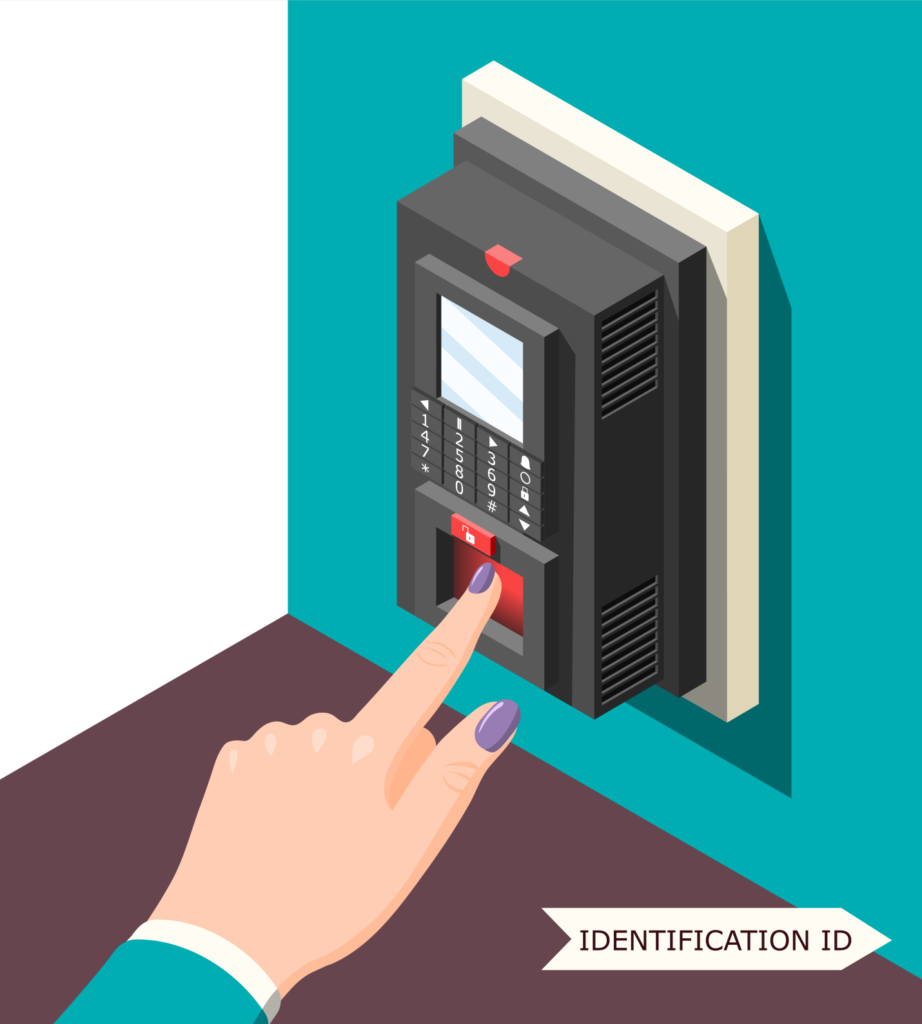
A smart attendance system is a technology platform that automatically records and manages employee attendance using methods such as biometrics, mobile credentials, access cards, facial recognition, or other authenticated technologies.
Unlike basic time clocks, modern systems can connect attendance events with other business platforms.
A typical ecosystem may include:
Employee identity → Access authentication → Attendance record → HR system → Payroll → Workforce analytics
This creates a connected flow of information rather than isolated attendance records.
For organisations with large workforces, multiple shifts, several facilities, or complex working schedules, that distinction can significantly affect how attendance data is managed and used.
Why Does Attendance Data Matter to Productivity?
Productivity cannot be measured simply by counting hours worked. However, accurate attendance information can help organisations identify operational patterns that are otherwise difficult to see.
Managers may need to understand:
- When employees typically arrive
- Where recurring late arrivals occur
- Which shifts experience staffing gaps
- Whether overtime patterns are increasing
- How absenteeism affects particular departments
- Whether workforce allocation matches operational demand
A smart attendance system provides structured information that can support these questions.
For example, if a production team consistently begins shifts with several employees arriving late, the issue may not necessarily be individual performance. It could indicate transport challenges, scheduling conflicts, insufficient shift overlap, or an unrealistic start-time structure.
Reliable attendance data gives management a starting point for investigating the underlying cause.
How Does Automation Improve Payroll Accuracy?
Payroll accuracy depends heavily on the quality of attendance information.
Manual timesheets can contain incorrect hours, missing entries, duplicated records, or late corrections. Supervisors may also spend considerable time checking discrepancies before payroll processing.
Automated attendance reduces many of these administrative tasks.
When an employee authenticates through an approved attendance or access control point, the system can create a timestamped record. Configured rules can then identify working hours, lateness, overtime, absences, or other attendance conditions.
The objective is not to remove human oversight. Payroll teams still need to review exceptions and apply organisational policies.
The difference is that they can spend less time collecting basic information and more time reviewing genuine exceptions.
Payroll accuracy depends on connected data
A useful attendance ecosystem should provide a reliable information flow between:
Attendance → HR → Payroll
This reduces the need to manually transfer information between separate systems.
Where integrations are available, organisations can establish clearer processes for handling approved leave, shift schedules, overtime, and attendance adjustments.
The Hidden Cost of Manual Attendance Administration
Manual attendance processes create more than paperwork.
They can consume time across several departments.
HR teams may need to correct attendance records. Managers may have to approve adjustments. Payroll teams may reconcile timesheets. Employees may need to explain discrepancies.
A single error can therefore create multiple administrative actions.
Automation can reduce this chain of manual intervention by capturing attendance electronically and presenting exceptions in a structured format.
This is particularly valuable in organisations where workforce numbers make manual administration increasingly difficult to maintain.
Can Attendance Data Improve Workforce Planning?
Yes—but only when organisations use the information analytically.
Workforce planning involves matching people and skills with operational demand. Attendance information can contribute to this process by showing how the workforce actually behaves rather than relying entirely on planned schedules.
Consider a business with several shifts.
Management may discover that one shift regularly experiences higher absence levels while another has consistent overtime. That pattern could indicate a mismatch between staffing levels and operational requirements.
Historical attendance information can help managers assess:
- Staffing requirements
- Shift coverage
- Absence patterns
- Overtime trends
- Department-level workforce demand
- Peak attendance periods
This does not replace workforce planning tools. Instead, it provides another layer of evidence for planning decisions.
From Time Tracking to Workforce Analytics
The biggest shift is the move from recording attendance to analysing attendance.
A basic attendance report may tell a manager that 94 employees were present.
A workforce analytics platform can potentially answer more useful questions:
Which departments had the highest absence rate?
Which shifts regularly require overtime?
What are the busiest arrival periods?
Are attendance patterns changing over time?
Which facilities have recurring staffing gaps?
These insights can help organisations move from reactive management towards more informed planning.
| Data Has Context: Attendance becomes strategically useful when it is connected to schedules, departments, locations, payroll rules, and operational requirements. |
How Access Control and Attendance Work Together
Access control and attendance management often overlap because both depend on authenticated identity.
An employee may use a biometric credential, mobile credential, or access card to enter a facility. That event can potentially support an attendance record when the systems are configured and integrated appropriately.
This creates several advantages.
Security teams can maintain access records while HR teams gain attendance information. Employees can experience a simpler authentication process rather than interacting with separate systems.
Integration can also improve visibility.
For example, an organisation may compare authorised working hours with actual entry and exit activity to identify unusual patterns or administrative discrepancies.
The important consideration is that access data should not automatically be treated as a complete attendance record in every environment. Business rules, work locations, remote working arrangements, breaks, and authorised exceptions must be considered.
What About Shift-Based Workforces?
Smart attendance becomes particularly valuable when organisations operate multiple shifts.
Factories, warehouses, logistics businesses, healthcare facilities, hospitality operations, and other shift-based workplaces can face complicated attendance requirements.
Employees may work different schedules, overtime periods, night shifts, or rotating patterns.
Manual tracking becomes increasingly difficult as these variables increase.
A smart attendance system can apply configured schedules and rules while flagging exceptions for review.
Managers can then see where attendance differs from planned workforce requirements.
This can support better shift allocation and help organisations understand whether existing schedules reflect actual operational demand.
Employee Experience Also Matters
Attendance technology should not be viewed only from management’s perspective.
Employees interact with these systems every working day.
Slow authentication, unreliable readers, complicated correction processes, or unclear attendance records can create frustration.
Modern systems can improve the experience through faster authentication, clearer records, mobile credentials, biometric options, and streamlined correction workflows.
The objective is to create a process that is secure for the organisation but straightforward for employees.

What Should Organisations Look For?
Not every attendance system provides the same capabilities.
Organisations evaluating a solution should consider five areas.
- Authentication
Does the system support biometrics, cards, mobile credentials, or other suitable methods?
- Integration
Can attendance data connect with HR, payroll, access control, or workforce management platforms?
- Reporting
Can managers obtain useful reports rather than simply basic in-and-out records?
- Scalability
Can the system accommodate additional employees, departments, shifts, or facilities?
- Administration
Can authorised administrators manage schedules, permissions, exceptions, and reporting efficiently?
These criteria help shift the evaluation away from hardware specifications towards actual business requirements.
A Simple Smart Attendance Framework
Organisations can assess their current attendance environment through four stages:
Capture — Record attendance accurately.
Connect — Link attendance with relevant business systems.
Analyse — Identify patterns, exceptions, and workforce trends.
Act — Use those insights to improve planning and operational decisions.
This framework demonstrates why smart attendance is more than a digital replacement for a paper timesheet.
Building a More Data-Driven Workforce
Attendance data is only useful when it supports better decisions.
Organisations should therefore consider how information moves after an employee records attendance. Does it reach HR automatically? Can payroll access reliable information? Can managers identify recurring workforce patterns? Can operational leaders use attendance trends when planning resources?
If the answer is no, the organisation may be collecting data without fully using its value.
Smart attendance systems provide the infrastructure for closing that gap.
How AL Maha Business Systems Can Support Smarter Attendance Management
A modern workforce requires more than accurate time recording. It requires connected systems that can support HR processes, payroll accuracy, workforce planning, and operational visibility.
AL Maha Business Systems provides integrated workplace technologies that can bring together smart attendance, biometric authentication, access control, visitor management, and related security systems.
For organisations assessing their current attendance processes, the right solution should reflect workforce size, shift patterns, operational requirements, existing HR infrastructure, and future growth.
Speak with our specialists to explore how a smart attendance system can connect workforce data with everyday operations and create a more efficient, transparent approach to attendance management.